

Most tradespeople take safety seriously. You wear your hard hat, you watch your step on scaffolding, and you know not to mess about with live electrics. But even the most experienced professionals can fall into habits that quietly put themselves and others at risk.
The truth is, many health and safety mistakes aren’t dramatic or obvious. They’re the small shortcuts, the overlooked checks and the “it’ll be fine” moments that gradually stack up. Below, we cover the most common safety mistakes tradespeople make without realising it, why they matter, and what you can do to put things right.
Skipping risk assessments on “routine” jobs
It’s easy to assume that a job you’ve done dozens of times doesn’t need a fresh risk assessment. But conditions change (different site layouts, unfamiliar materials, new team members) and what was safe last time might not be safe this time.
Under the Management of Health and Safety at Work Regulations 1999, employers are legally required to carry out suitable and sufficient risk assessments.¹ Even if you’re a sole trader, taking five minutes to walk the site and think through potential hazards before starting work can prevent serious incidents. A quick mental checklist is better than nothing, but writing it down creates accountability and a useful record if something does go wrong.
The mistake isn’t necessarily ignoring risk assessments entirely — it’s treating them as a one-off tick-box exercise rather than something that should happen before every job.
Treating PPE as optional (or using the wrong kind)
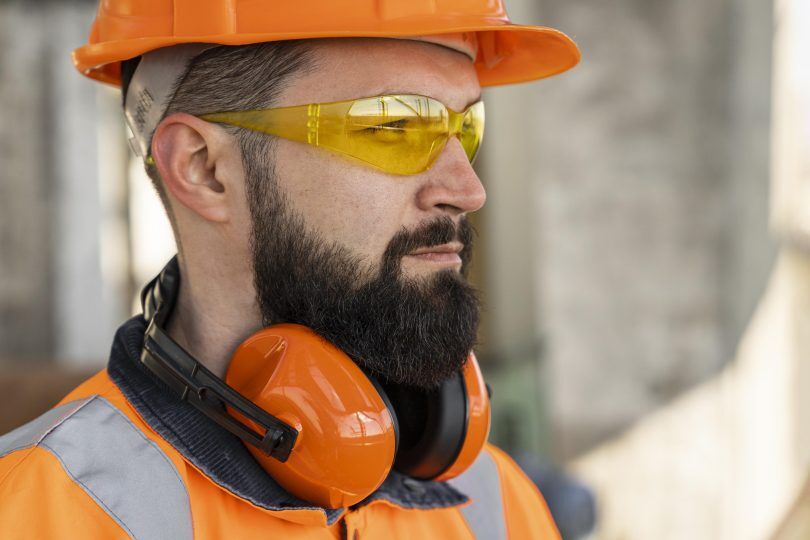
You’d be surprised how many tradespeople own all the right PPE but don’t wear it consistently. Dust masks get left in the van. Safety goggles sit on the dashboard. Ear defenders hang around the neck instead of covering the ears.
Under the Personal Protective Equipment at Work Regulations 1992, employers must provide suitable PPE and ensure it’s used properly. But compliance aside, the real issue is understanding that PPE is your last line of defence — not your first. It’s there precisely because other controls can’t fully eliminate the hazard.¹
Common PPE mistakes include:
Wearing ill-fitting equipment — PPE that doesn’t fit properly won’t protect you properly. Dust masks need to seal against your face, and safety boots need to support your feet without causing blisters or discomfort that tempts you to take them off.
Using the wrong grade of protection — Not all dust masks are equal. Cutting concrete or working with silica dust typically requires an FFP3 respirator, not a basic paper mask. Check the hazard and match your protection accordingly.
Neglecting maintenance and replacement — Cracked goggles, worn-out boot soles and filters well past their replacement date offer a false sense of security. Inspect your PPE regularly and replace anything that’s damaged or expired.
Ignoring manual handling best practices
Lifting heavy objects is second nature for most tradespeople, which is exactly why it’s so easy to get complacent. Back injuries, shoulder strains and musculoskeletal disorders (MSDs) remain among the most common workplace injuries in the UK construction sector, and they’re often caused by poor technique repeated over months or years rather than a single dramatic incident.
The Manual Handling Operations Regulations 1992 require employers to avoid hazardous manual handling where possible, assess unavoidable tasks and reduce the risk of injury.² In practice, that means:
Using mechanical aids wherever you can — Trolleys, sack trucks, hoists and pallet trucks exist for a reason. If you’re regularly carrying heavy loads across a site by hand, ask yourself whether there’s a better way.
Lifting with your legs, not your back — It sounds obvious, but fatigue and time pressure often override good habits. Keep the load close to your body, bend at the knees and avoid twisting your torso.
Asking for help with awkward loads — There’s no award for being the person who carried the heaviest thing alone. If a load is bulky, unstable or heavy, get a second pair of hands.
Taking regular breaks — Repetitive strain doesn’t announce itself with a dramatic injury. It builds gradually. Short rest periods throughout the day give your muscles time to recover.
Underestimating noise and vibration exposure
Many tradespeople don’t think twice about using angle grinders, circular saws or pneumatic drills without hearing protection. The damage from noise exposure is cumulative and irreversible — by the time you notice hearing loss, it’s too late to undo it.
The Control of Noise at Work Regulations 2005 set the lower exposure action value at 80 dB(A) and the upper value at 85 dB(A).³ Most power tools comfortably exceed these thresholds. Wearing suitable ear defenders or plugs every time you use noisy equipment isn’t overcautious — it’s essential.
Similarly, prolonged use of vibrating tools can lead to hand-arm vibration syndrome (HAVS), causing numbness, tingling and reduced grip strength.¹ The Control of Vibration at Work Regulations 2005 requires employers to assess and manage vibration exposure.¹ Practical steps include choosing low-vibration tools where available, rotating tasks throughout the day and keeping equipment properly maintained, since worn-out tools tend to vibrate more.
Overlooking dust and respiratory hazards
Dust is one of those hazards that’s easy to dismiss because the effects aren’t immediate. But long-term exposure to silica dust, wood dust or other airborne particles can cause serious conditions including asthma, chronic obstructive pulmonary disease (COPD) and even lung cancer.¹
Under the Control of Substances Hazardous to Health Regulations 2002 (COSHH), employers must assess the risks from hazardous substances and implement appropriate controls. That might mean using water suppression when cutting materials, working in well-ventilated areas, fitting local exhaust ventilation or simply wearing the right respiratory protection.¹
The mistake many trades make is assuming a bit of dust is just part of the job. It doesn’t have to be, and the long-term consequences of ignoring it can be devastating.
Getting complacent when working at height
Falls from height remain one of the leading causes of fatal and serious injuries in UK construction. The Work at Height Regulations 2005 are clear: work at height should be avoided wherever possible, and where it can’t be avoided, proper precautions must be in place.¹
Yet complacency creeps in. Ladders get used for jobs that really call for scaffolding or a mobile access tower. Guardrails get removed because they’re “in the way.” Harnesses sit in the back of the van because putting them on takes an extra few minutes.
Common mistakes include:
Using ladders for prolonged work — Ladders should only be used for short-duration, low-risk tasks. If you’re spending more than 30 minutes up a ladder, you probably need a more suitable platform.
Not securing ladders properly — Set them at the correct angle, ensure they’re on stable ground and secure them at the top where possible. Maintain three points of contact at all times.
Skipping edge protection — Guardrails, toe boards and safety nets exist to prevent falls. Removing them or working without them, even briefly, increases risk.
Neglecting electrical safety checks
You don’t have to be an electrician to encounter electrical hazards on site. Damaged extension leads, overloaded sockets, faulty power tools and unmarked buried cables can all pose serious risks.
The Electricity at Work Regulations 1989 require that electrical systems and equipment are maintained in a safe condition.¹ Visual inspections before use and proper isolation procedures when working near electrical sources should be standard practice — not afterthoughts.
One commonly overlooked step is checking for underground services before digging. Cable strikes are entirely preventable with proper planning, service location tools and a careful hand-dig approach near identified utilities.
Forgetting about mental health and fatigue
Physical hazards tend to get all the attention, but mental health is a safety concern. The construction industry has some of the highest rates of suicide and mental health struggles of any sector in the UK.⁴ Stress, long hours, financial pressures and job insecurity all take their toll.
Fatigue, in particular, is a silent safety risk. Tiredness slows reaction times, impairs judgement and makes mistakes far more likely. If you’re running on four hours’ sleep and three coffees, you’re not operating at your best — and on a construction site, that can have serious consequences.
The HSE recognises stress and fatigue as workplace hazards.¹ Practical steps include scheduling realistic working hours, taking proper breaks, rotating physically demanding tasks and creating an environment where it’s genuinely acceptable to speak up about mental health.
Poor housekeeping on site
A cluttered site is a dangerous site. Loose cables, scattered materials, spilt liquids and blocked walkways are trip hazards waiting to happen. Slips, trips and falls on the same level are consistently among the most common causes of non-fatal workplace injuries.
Good housekeeping isn’t glamorous, but it’s one of the simplest and most effective safety measures available. Clear walkways at the end of each task, secure trailing cables, clean up spills promptly and store materials properly. It takes minutes and prevents injuries that could cost weeks of lost work.
Failing to report near misses
When something nearly goes wrong but doesn’t, there’s a natural temptation to shrug it off and carry on. But near misses are warning signs. They highlight hazards, gaps in procedures and situations that could easily result in an actual injury next time.
Under RIDDOR 2013 (the Reporting of Injuries, Diseases and Dangerous Occurrences Regulations), certain serious incidents must be reported to the HSE.¹ But even for incidents below the RIDDOR threshold, keeping an internal log of near misses helps identify patterns and fix problems before someone gets hurt. Encouraging open reporting builds a culture where safety is everyone’s responsibility.
Not keeping training up to date
Completing a training course once doesn’t mean you’re covered forever. Regulations change, best practices evolve and skills can fade over time. Refresher training ensures you’re working with current knowledge — whether that’s manual handling techniques, working at height procedures or COSHH awareness.
If you employ staff, ensure they hold relevant and up-to-date qualifications (such as CSCS cards, PASMA certificates or IPAF licences).¹ Even if you’re a sole trader, investing in your own ongoing training demonstrates professionalism and keeps you safer on the job.
How to build better safety habits
Recognising these mistakes is the first step. Fixing them comes down to building consistent habits:
Start every job with a quick risk assessment — even familiar ones.
Check your PPE before each use and replace anything that’s past its best.
Talk openly about safety with colleagues, subcontractors and clients.
Log near misses and review them regularly to spot trends.
Schedule refresher training at least annually for key safety topics.
Look after yourself physically and mentally — rest, nutrition and wellbeing aren’t luxuries, they’re essentials.
Safety isn’t about perfection. It’s about staying aware, staying honest about the shortcuts you might be taking, and continuously improving.
Protect your business with Tradesman Saver
Even with the best safety practices in place, accidents can still happen — and when they do, having the right insurance protects everything you’ve worked to build. Tradesman Saver offers specialist tradesman insurance starting from just £55 per year, with £1 million public liability cover included as standard. There is also the option to increase to £2 million, £5 million or £10 million for an additional premium.
Every policy comes with products liability, legal expenses insurance up to £250,000, £10,000 financial loss cover and accidental death cover. If you employ staff, you can add employer’s liability insurance to stay compliant with UK law.
With over 35 years of experience, AA-rated cover and an online portal where you can manage your policy, Tradesman Saver makes protecting your business straightforward and affordable. Get your quote in minutes and enjoy instant cover from the moment you buy.
Until next time, make sure it’s Tradesman Saver.
Sources:
¹ CPD Online — Common Workplace Hazards in Trades
² HSE — Construction Physical Ill Health Risks: Manual Handling
³ UK Legislation — The Control of Noise at Work Regulations 2005, Regulation 4
⁴ CIOB — Construction’s Mental Health Crisis Continues Despite Increased Support