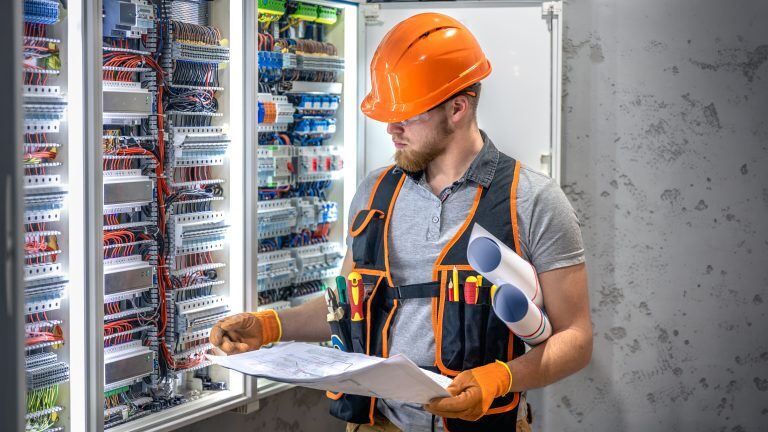


Trade work is physically demanding. Whether you’re balancing on a ladder, crouching beneath a boiler, or hauling materials across a site, the nature of the job puts your body under strain day after day. The risks aren’t limited to dramatic accidents either. Repetitive motions, fatigue, and gradual overloading can cause just as much damage over time.
We explore the most common injuries tradespeople face, the financial and mental health toll they can take, and practical steps you can follow to reduce your risk on the job.
What are the most common causes of workplace injuries?
When you work in a trade, you accept a certain level of occupational hazard. But understanding exactly where the dangers lie can help you stay one step ahead. According to HSE guidance on construction health risks, many workplace injuries in the trades stem from manual handling activities. Tasks that require supporting loads in awkward positions, moving heavy materials, carrying items over rough or uneven ground, and undertaking highly repetitive work all create excessive stresses and strains on the body (1).
Other significant risk factors include holding loads away from the body, twisting, stooping, working overhead or reaching upwards, and strenuous pushing or pulling (1). Job demands and time pressure can also play a role, with workers sometimes resorting to physical strength instead of using appropriate lifting aids, or not getting enough rest and recovery time between tasks (1).
For employers, this is a clear signal. Providing proper safety gear, enforcing its use, and delivering thorough training aren’t optional extras. They’re essential measures that protect your team and your business.

What injuries should tradespeople watch out for?
The physical nature of trade work exposes you to a wide range of injuries. Some happen in an instant, while others build up gradually over weeks and months:
- Musculoskeletal disorders (MSDs) are among the most significant risks facing tradespeople. The term covers any injury, damage or disorder of the joints or other tissues in the upper or lower limbs or the back, and skilled construction and building trades are one of the occupations with the highest estimated prevalence of these conditions (1).
- Back injuries and upper limb disorders are particularly common. These often stem from repetitive strain, awkward working positions, and manual handling without proper technique. In fact, handling is the most commonly reported cause of over-seven-day injuries in the construction industry (1).
- Immediate damage such as strains and sprains to muscles and tendons can result from a single heavy lift or sudden awkward movement, while longer-term or recurrent problems develop through repeated exposure to the same physical demands (1).
- Environmental factors can make things worse. Restricted posture, bumpy or slippery floors, variations in floor levels and stairs, extreme temperatures, gusts of wind, poor lighting, and restricted movement from clothing or PPE all increase the strain on your body and the risk of injury (1).
How does working in the trades affect mental health?
Not all injuries are visible. The combination of high-pressure environments, physically demanding tasks, and exposure to potentially dangerous situations takes a real toll on mental wellbeing.
Tradespeople can be particularly vulnerable to anxiety, stress and depression as a result of their work. Tight deadlines, long hours in all weather conditions, financial pressures, and worries about job security can pile up quickly.
The stigma surrounding mental health in traditionally male-dominated industries can make it harder for people to speak up or seek help. Creating a culture where wellbeing is openly discussed, and support systems are in place, benefits everyone on site.
What does an injury actually cost you?
Beyond the physical pain, workplace injuries can hit your finances hard. When an injury keeps you off the job, the lost earnings add up quickly, especially for self-employed tradespeople who don’t receive sick pay. Even relatively short absences of a week or two can put real pressure on your cash flow, and longer-term conditions like musculoskeletal disorders can reduce your ability to carry out tasks for months or even years (1).
In today’s economy, any significant drop in income can be enough to push self-employed workers into “working through the pain,” which only increases the risk of worsening symptoms and further accidents.
How can you reduce your risk of injury?
Prevention is always better than cure. By building a few key habits into your routine, you can significantly lower the chances of getting hurt on the job.
Warm up before you start
It might sound more like gym advice than trade advice, but warming up before physical work makes a real difference. A dynamic warm-up that recreates the movements you’re about to perform helps your muscles tolerate loading better and increases elasticity (2). Static stretching, on the other hand, has been shown to have no significant effect on injury prevention and may even reduce your muscles’ ability to produce force (2).
Build up gradually
Whether you’re returning from time off or taking on a more physically demanding project, don’t jump straight back to full intensity. Research suggests that sharp increases or excessive variation in workload raise your risk of injury (2). Gradually increase your activity level and avoid ramping up by more than 10% per week, whether that’s the duration, intensity, or weight involved in your tasks (2).
Take rest days seriously
Loading your body day after day without adequate rest can lead to a breakdown of collagen tissue in muscles, tendons, and ligaments (2). Over time, this weakens these structures and reduces their ability to cope with demand, leading to pain and injury. Schedule rest into your week, especially during intensive projects.
Mix up your tasks where possible
Varying the type of physical work you do changes the loading patterns through your body and gives overworked muscle groups a chance to recover (2). If your trade allows it, rotate between different tasks throughout the day or week to spread the strain more evenly.
Use lifting aids and wear PPE
The Manual Handling Operations Regulations 1992 require employers to prevent or reduce risks from lifting, carrying and handling loads (1). Where possible, use mechanical lifting aids like conveyors, hoists, telehandlers or cranes, and make use of manual aids such as pallet trucks, sack barrows, trolleys and lifting grips to reduce the strain on your body (1). Making equipment checks and proper protective gear part of your daily routine is one of the most effective things you can do to stay safe.
Protect your business with Tradesman Saver
Even with the best precautions, accidents can and do happen. That’s why having the right insurance in place matters. Tradesman Saver offers public liability insurance starting from just £55 per year, with up to £5 million cover for public and products liability included as standard. Every policy also comes with legal expenses insurance up to £250,000, £10,000 accidental death cover, and £10,000 financial loss protection built in at no extra cost.
If you employ staff, you can add employer’s liability insurance to meet your legal obligations. And with over 35 years of industry experience, AA-rated cover, and instant protection from the moment you buy, getting sorted takes just minutes through our quote system.
Don’t wait for something to go wrong. Protect what you’ve built today.
Until next time, make sure it’s Tradesman Saver.
Sources:
(1) HSE, “Construction physical ill health risks: Manual handling”
(2) Kris Baldock, “4 Ways to Reduce Your Risk of Injury”
*This indicative price is for £1m public and products liability, £250,000 legal expenses, £10,000 financial loss and £10,000 accidental death insurance cover for one person. The price includes insurance premium tax but excludes our admin charge. 30% of new customers paid £55 between 1st May 2026 and 31st May 2026. The actual price you pay will depend upon your specific business requirements and will be affected by your trade, your claims history and the optional covers you select which are all priced separately during the quote process.